Cleaning for Tar Removal - CarInteriorMix
Cleaning for Tar Removal
Fresh road tar is one of those annoying ?where did that come from?? problems?usually spotted after you?ve driven past road work or a newly sealed parking lot. Those black specks stick hard to paint, wheels, and even interior carpets if you track it in, and if you scrub the wrong way you can end up with scratches or smeared stains that look even worse.
The good news: tar removal doesn?t need to be complicated or expensive. With the right cleaner, a little patience, and a few smart habits, you can remove tar safely from car paint, clear coat, wheels, plastic trim, and interior surfaces without turning it into a bigger detail job.
-
Confirm it?s tar (and not tree sap) before you treat it
Tar is usually dark brown to black and shows up as dots or small smears low on doors, rocker panels, wheel arches, and behind tires. Tree sap often looks amber or clear and tends to appear higher up?hood, roof, and trunk?under trees. If you?re unsure, do a tiny test spot with your chosen tar remover on a hidden area (like inside a door jamb) so you don?t accidentally haze the finish. -
Wash first so you don?t grind dirt into the paint
Before any tar remover touches your car, do a quick exterior wash (or at least a rinse and a soapy hand wash on the affected area). Tar removal usually involves wiping, and wiping over dusty paint can create swirl marks in the clear coat. Real-world example: those tar dots behind the wheels often sit in a gritty zone?cleaning first prevents that ?sandpaper? effect. -
Work in the shade on a cool surface?heat makes tar messier
Tar softens when warm, which sounds helpful, but it also smears easier and can spread if you rub too hard. Park in the shade or wait until the panel is cool to the touch; avoid direct sun and hot body panels. If you?re cleaning at a gas station after a road trip, give the panel 10?15 minutes to cool down before you start. -
Use a dedicated bug & tar remover for paint-safe results
A purpose-made product is the easiest, safest route for DIY tar removal. Look for ?bug and tar remover? or ?tar remover for cars? from brands like Stoner, Turtle Wax, Meguiar?s, CarPro TarX, or Gyeon Tar?follow label directions and dwell time. Spray it on a microfiber towel or directly on the tar spots, let it sit for 30?90 seconds, then gently wipe; don?t let it dry on the paint. -
Try a DIY alternative: mineral spirits on a towel (with caution)
If you don?t have a dedicated tar remover, a small amount of mineral spirits can dissolve tar effectively on painted surfaces when used carefully. Put a little on a clean microfiber towel, dab the tar, and wipe lightly?then immediately wash the area with car shampoo and water to remove residue. Safety note: keep mineral spirits away from fresh paint, vinyl wraps, and sensitive plastics; always spot test first and work in a ventilated area. -
Use the ?dab and lift? method?don?t scrub like you?re cleaning a grill
Scrubbing is what causes scratches and smearing, especially on black or dark paint. Instead, apply product, let it dwell, then dab and lift the softened tar with a folded microfiber towel, rotating to a clean side as you go. Example: on rocker panels with dozens of tar freckles, you?ll get faster results by patiently lifting each cluster than by rubbing the whole area and spreading it around. -
For stubborn spots, use a clay bar after chemical removal
Once the bulk of tar is gone, a clay bar or synthetic clay mitt can remove leftover contamination that you can feel but not see. Use proper clay lubricant (or a dedicated quick detailer) and glide gently?if the clay grabs, add more lube and reduce pressure. This is especially handy on lower doors where tar plus road film can leave the paint feeling rough even after wiping. -
Don?t forget the wheels and tires?use a wheel-safe tar remover
Tar loves to stick behind spokes and along the wheel barrel, where brake dust also builds up. Use a wheel cleaner that?s safe for your finish (painted, clear-coated, chrome, or matte), and spot-treat tar with a wheel-safe tar remover or a citrus-based degreaser. Use a dedicated wheel microfiber and brushes?tar and brake dust are abrasive, and you don?t want that touching your paint towels. -
Interior tar (carpet or mats): freeze it, crack it, then clean the residue
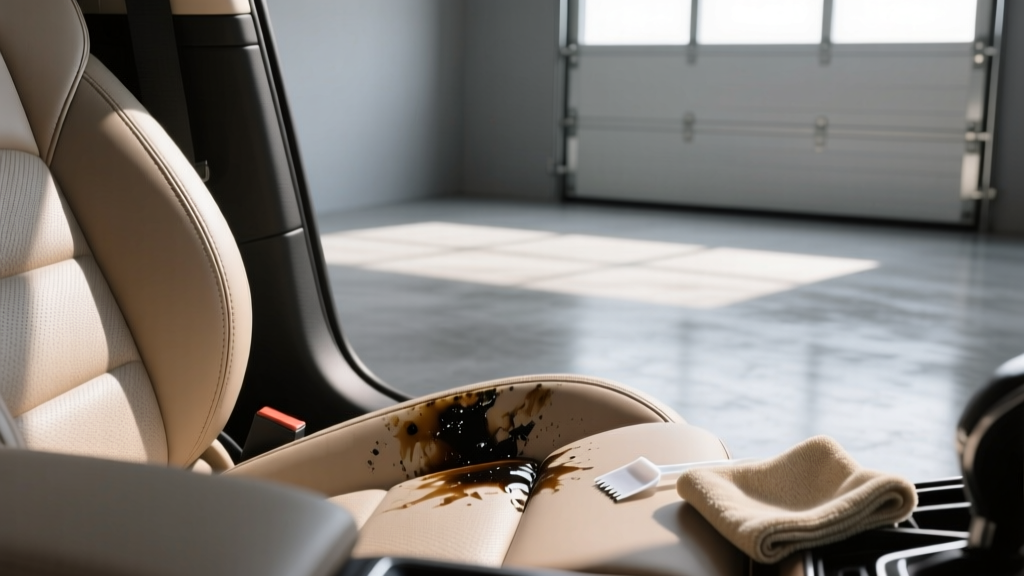
If you track tar onto carpet or floor mats, smearing it with an all-purpose cleaner usually makes it worse. Instead, harden it first: place a few ice cubes in a plastic bag and hold it on the spot for a minute or two, then gently pick/crack off the hardened tar with a plastic trim tool or old gift card. After that, treat any remaining stain with a dedicated carpet cleaner (like Chemical Guys Lightning Fast, Meguiar?s Carpet & Upholstery, or a mild APC diluted properly), blotting?never rubbing. -
Re-wash and protect the area?tar removers can strip wax
Most tar removers, solvents, and citrus cleaners will weaken or remove wax and sealants. After you?re done, re-wash or at least rinse thoroughly, then apply a quick wax, spray sealant, or ceramic booster to the treated panels. A simple spray like Turtle Wax Hybrid Solutions, Meguiar?s Ceramic Detailer, or a basic carnauba spray helps the surface stay slick so future tar spots release easier. -
Know what not to do: avoid razor blades, harsh abrasives, and gasoline
Razor blades and aggressive scouring pads can permanently scratch clear coat and glass, and gasoline is dangerous (fire risk) and can damage rubber and plastics. Also avoid using strong lacquer thinner or acetone on modern paint unless you truly know what you?re doing?it can dull trim and compromise finishes. If tar is on a vinyl wrap, matte paint, or a freshly repainted panel, use wrap-safe products and gentle techniques, or consider a professional detailer.
Quick reference summary
- Wash first, then treat tar on a cool panel in the shade.
- Use a dedicated bug & tar remover; mineral spirits can work as a backup with spot testing.
- Dab and lift?don?t scrub; rotate microfiber towels often.
- Clay after chemical removal for leftover roughness.
- Freeze interior tar before picking it off; blot cleaners, don?t rub.
- Re-protect paint afterward with wax/sealant; avoid gasoline and harsh abrasives.
Conclusion
Tar happens, especially in summer and around construction zones, but it doesn?t have to ruin your paint or your weekend. Grab the right tar remover (or a careful DIY option), take it slow with the dab-and-lift method, and finish with a little protection. Try these tips the next time you spot those black specks?your paint, wheels, and carpets will thank you.